Ideas that move
societies forward.
The Idea Lab is where SSIA researches new approaches to waste management, resource recovery, circularity and sustainable urban development — turning first principles into practical urban solutions.
Waste is not
the end of a story.
Conventional approaches treat waste as a liability to be collected, treated and forgotten. High Circularity treats it as the starting point of an urban value chain.
WASTE IS A RESOURCE.
Waste should not be viewed merely as a disposal obligation. It represents an opportunity to recover materials, generate useful resources, create economic value and support more circular urban systems.
We look for the connections between recovery, infrastructure, resource utilisation, environmental outcomes and economic value. The result is a more useful question: what can this material, place or system become next?
Solid Waste.
Lasting Value.
Explore SSIA's work across municipal waste collection and transportation, land reclamation, integrated waste processing and resource recovery.
Our projects bring together practical field experience, performance-focused approaches and new possibilities for circular urban systems.
Energy Security Through Resource Recovery.
Resource recovery offers opportunities to support energy security by transforming suitable residual waste streams into useful energy. SSIA explores integrated systems that connect waste management, energy utilisation and long-term urban infrastructure needs.
Understanding the ground.
Shaping what comes next.
From field investigations and environmental assessments to project feasibility and development, SSIA brings together technical evidence, local knowledge and structured analysis to inform infrastructure decisions.
Hazardous & Industrial Waste
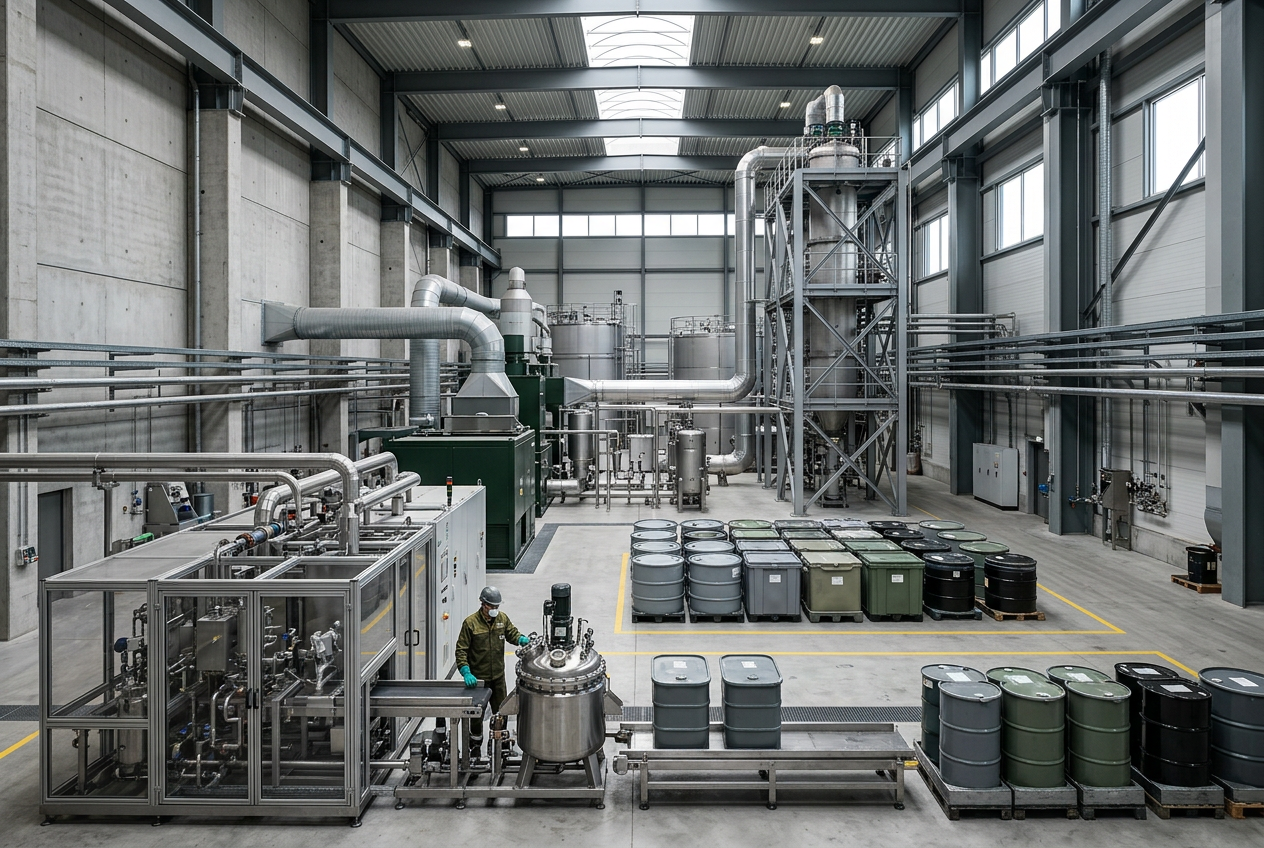
Responsible and sustainable industrial growth depends on the effective management of hazardous and industrial waste.
SSIA has developed an integrated engineering train designed with the objective of processing 100% of the waste stream while reducing the requirement for final landfill disposal to a bare minimum.
The proposed facilities are envisaged for development through the Public–Private Partnership (PPP) model, bringing together engineering innovation, environmental responsibility and long-term operational sustainability.
Liquid Waste
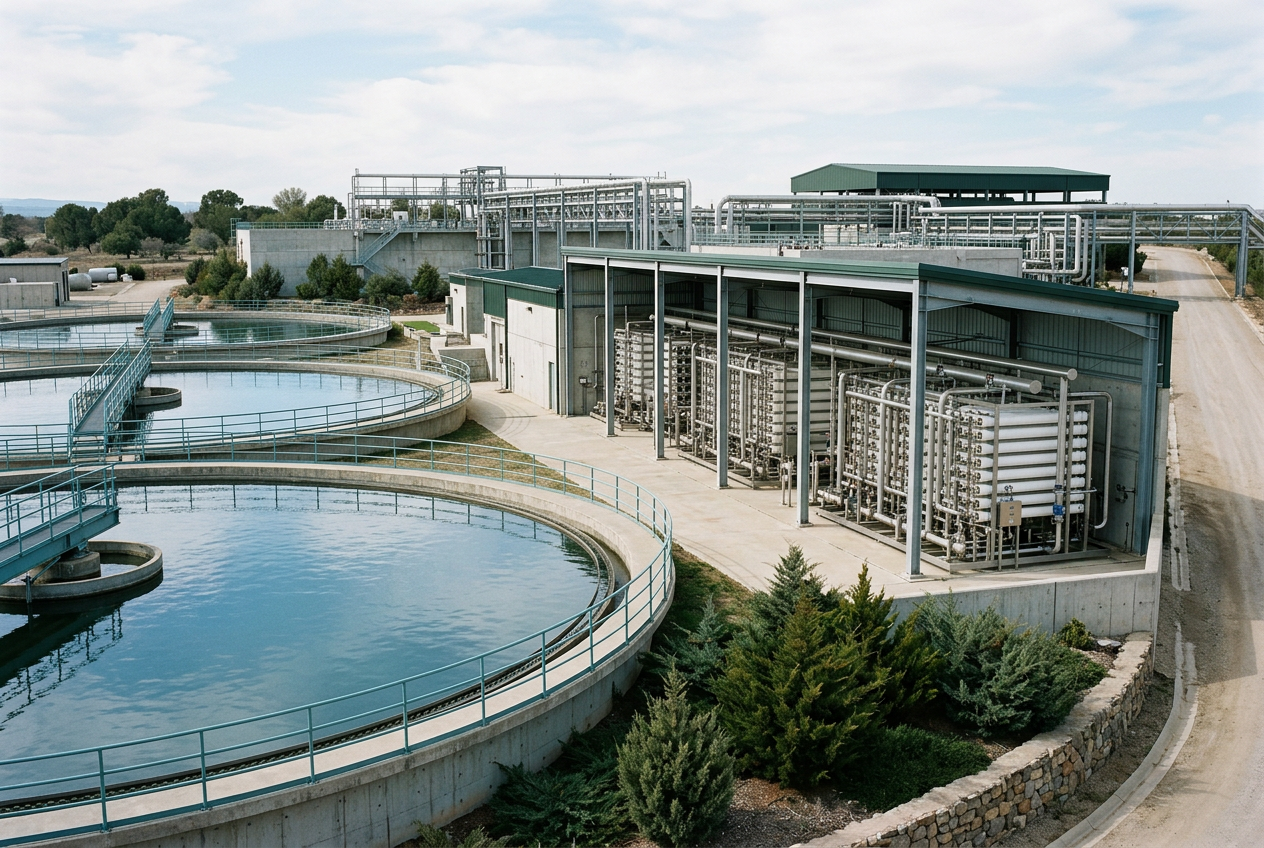
Water is a strategic resource for India's responsible and sustainable economic growth.
SSIA is engineering advanced liquid waste treatment and recycling systems with the objective of achieving more than 80% water circularity.
The approach focuses on recovering high-grade reusable water from sewage and industrial effluent to meet growing commercial and industrial demand.
Envisaged through PPP-based projects, these solutions aim to improve water-resource utilisation while supporting sustainable urban and industrial development.
Water Security Through Reuse and Circularity.
Water security requires an approach that goes beyond conventional wastewater treatment. Recovering and reusing water from municipal sewage and industrial effluent can help reduce dependence on freshwater resources and support long-term urban and industrial resilience.
Ash Recycling
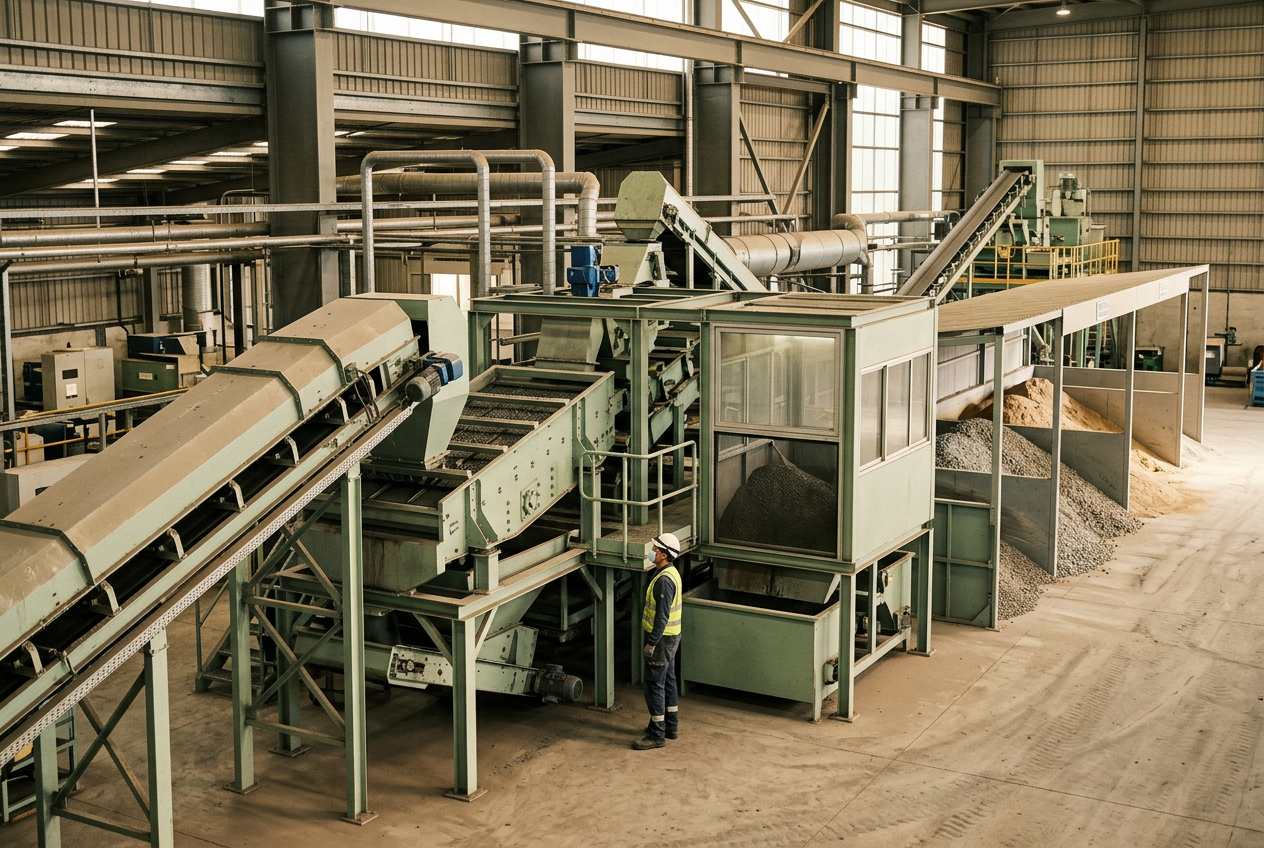
Ash generated from Refuse Energy Extraction Facilities (REEF), formerly known as Waste-to-Energy facilities, presents an important opportunity for specialised processing and recycling.
SSIA has developed a dedicated Ash Recycling engineering train intended to improve resource recovery and reduce dependence on conventional disposal.
The proposed systems are envisaged for development through the PPP model, supporting a more circular approach to the management of residues generated during energy recovery from waste.
Carbon Reporting
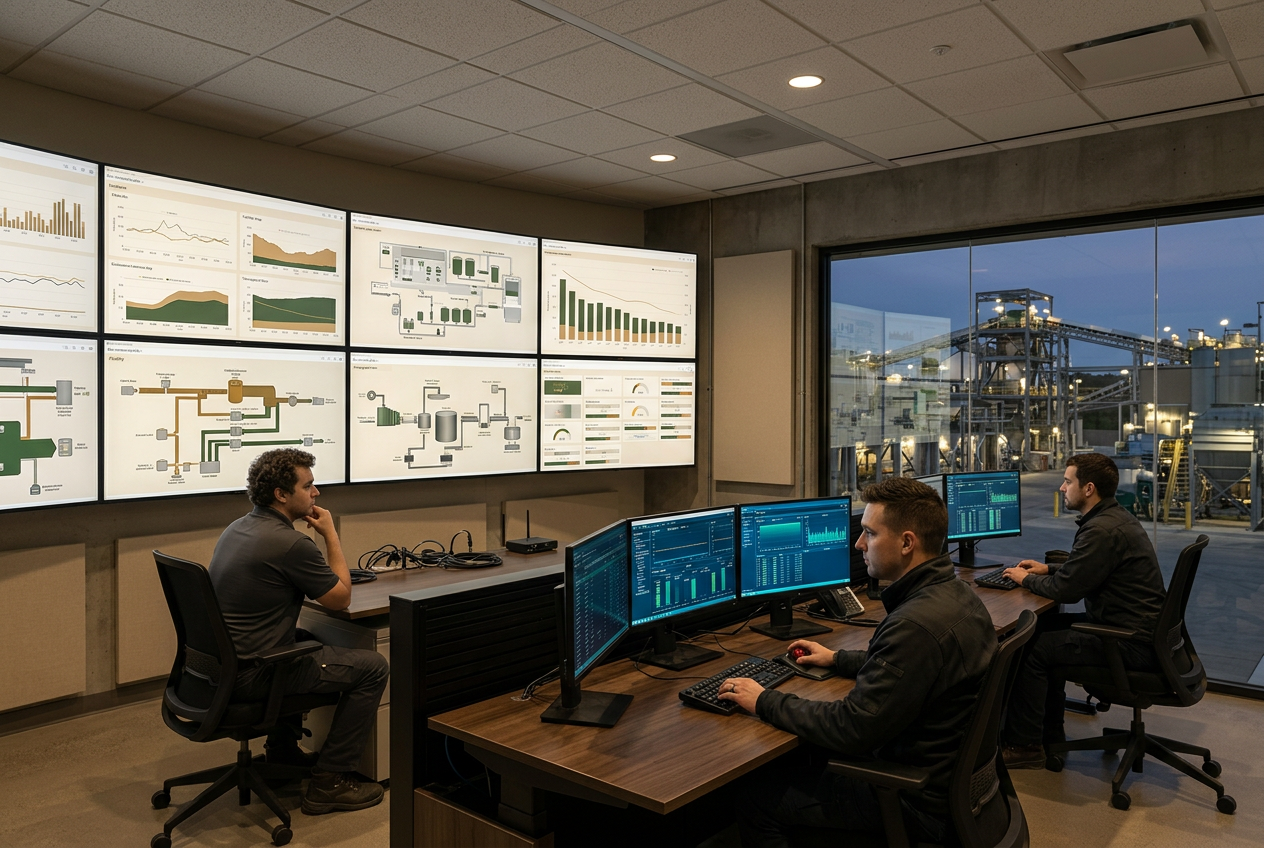
Reliable environmental management requires continuous measurement, monitoring and reporting of carbon intensity.
SSIA is designing an IT-enabled automated system to track and report the carbon intensity of waste-management facilities and operations.
The proposed system combines multi-location data collection with a centralised data-processing platform to enable continuous monitoring and real-time reporting.
This approach is intended to help authorities evaluate operational carbon intensity, monitor progress and make informed decisions towards achieving waste-sector carbon-reduction targets.
News & success stories